
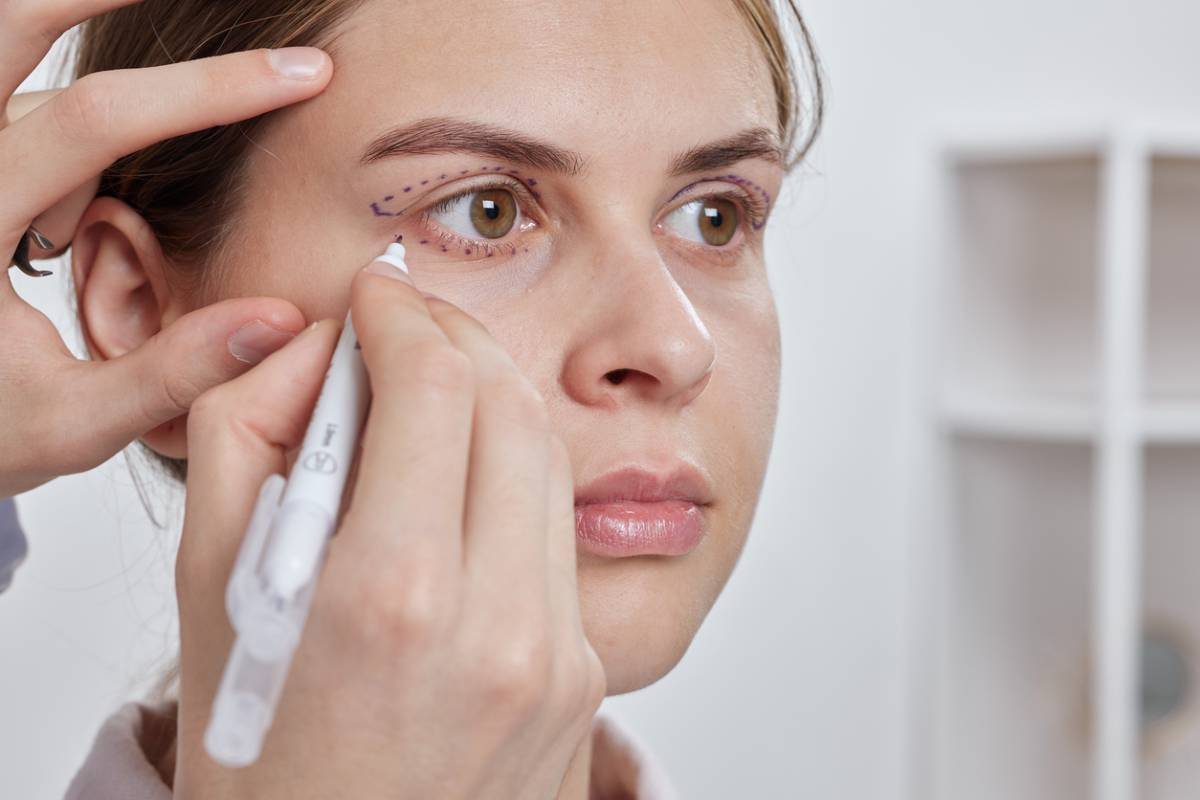
Dermatochalasis is a common condition that impacts the skin on the upper and lower eyelids. It is characterized by loose, sagging skin. This can impact your overall aesthetic and make you feel insecure about how you look. In addition to the cosmetic concerns, it can also cause functional issues. Below you will find more information on how dermatochalasis affects vision and eye health.
How Dermatochalasis Affects Vision and Eye Health
Dermatochalasis occurs when extra skin hangs over the eyes, blocks the upper field of vision, and creates eye strain. It can make daily life extremely difficult. Things like reading, driving, or just looking at the computer can be challenging. Understanding how the condition impacts your eyesight and vision is important.
Blocked Vision
When the eyelid skin becomes stretched and heavy, it can block your vision. This occurs when it folds over the eyelashes. Many people with the condition notice that they have trouble seeing objects above eye level. They often notice the issue while driving, reading, or walking.
The vision block can cause you to overcompensate. This often involves lifting your eyebrows or tilting your head back to see better. Over time, these habits to overcompensate for the issue cause more unwanted problems. Many patients experience headaches and neck strain. Early intervention is key to reducing the impact dermatochalasis has on your daily life.
Eye Strain
Sagging eyelid skin forces the muscles around the eyes to work much harder. You may find yourself overcompensating by raising your eyebrows. Some people even squint to keep their eyes open.
Constantly overcompensating can leave eyes tired and achy by the end of the day. The tension headaches from lifting the forehead muscles can make things even worse. When the eyelids are lighter and supported, eye strain and fatigue reduce substantially.
Eye Irritation
Loose eyelid skin can impact how your eyes close and blink. Blinking is essential for your eye health. It spreads tears across the surface of the eyes, keeping them moist. When you are unable to blink properly, your eyes can become dry, irritated, or watery.
This is highly impactful for those who wear contact lenses. It can make them extremely uncomfortable to wear. The condition also increases the risk for redness and burning. Correcting the issue is necessary to ensure proper eyelid function. This ultimately addresses the improper tear flow to ensure your eyes are hydrated.
Daily Challenges
There are so many physical symptoms that accompany dermatochalasis. Overcompensating can lead to eye strain, headaches, and neck pain. The tension can lead to dryness, redness, and irritation. These issues impact more than just your body. They can make daily life extremely difficult. Going to work, school, or just doing your daily activity can be beyond challenging. Addressing the issue is key to improving your overall quality of life.
Treatment for Dermatochalasis
Getting treatment can do wonders for your vision and daily life. The first step in moving forward with treatment is scheduling a consultation at an eyelid surgery center. A skilled, experienced surgeon can determine whether you are a good candidate for the procedure.
The most common treatment for dermatochalasis is eyelid surgery. Upper blepharoplasty is a highly effective surgery. It removes excess skin from the upper eyelid. Depending on your unique case and anatomy, excess fat may also be removed or repositioned. This creates a smoother appearance and lightens up the upper eyelids. This relieves the issues caused by heavy upper eyelids.
If sagging eyelids are affecting your vision or causing you daily discomfort, it is time to contact a surgeon. They can evaluate your eyes and determine the best course of action. A customized treatment plan will be created. This often includes surgery as it is a long-term solution to the issue.
Recovering from Dermatochalasis Treatment
Recovering from upper eyelid surgery is smooth. The process takes roughly two weeks. At that point, you can generally get back to your routine. The first week should be focused primarily on recovery. This includes resting, caring for your incisions, and managing your symptoms. Managing your symptoms involves taking your prescribed medication, keeping your head elevated, and using cold compresses.
Many people feel great within one week. However, it is important not to rush the process, as this can affect your results. Take light walks the first few days after surgery. This promotes circulation, which supports healing. Avoid heavy lifting, strenuous activity, and exercise until your surgeon clears it.
Top Eyelid Surgery Center
Blocked vision can impact your daily life in so many ways. To address these issues, contact the team at Nevada Eye Plastic Surgery today to schedule your consultation!